Altitude Project
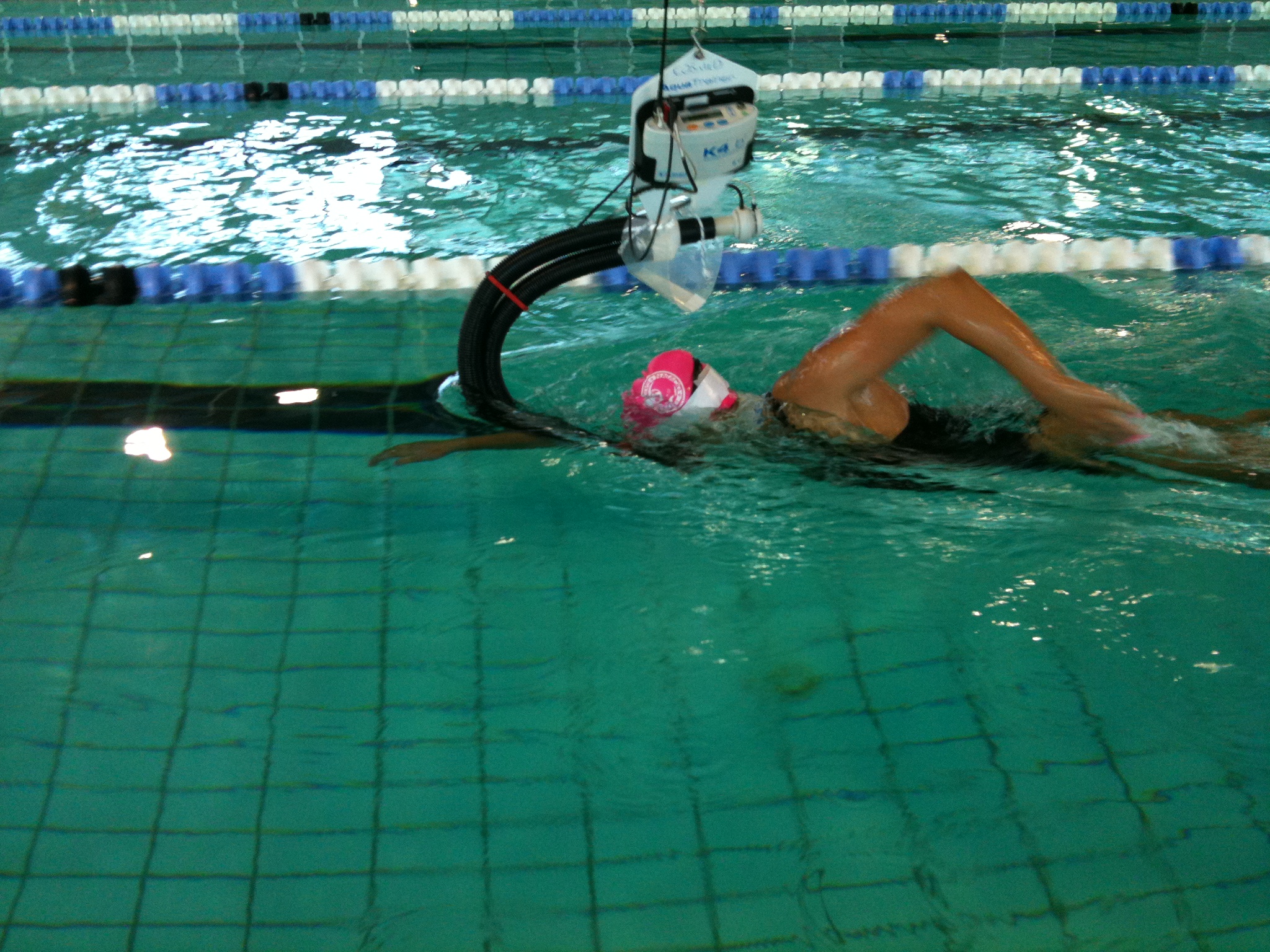
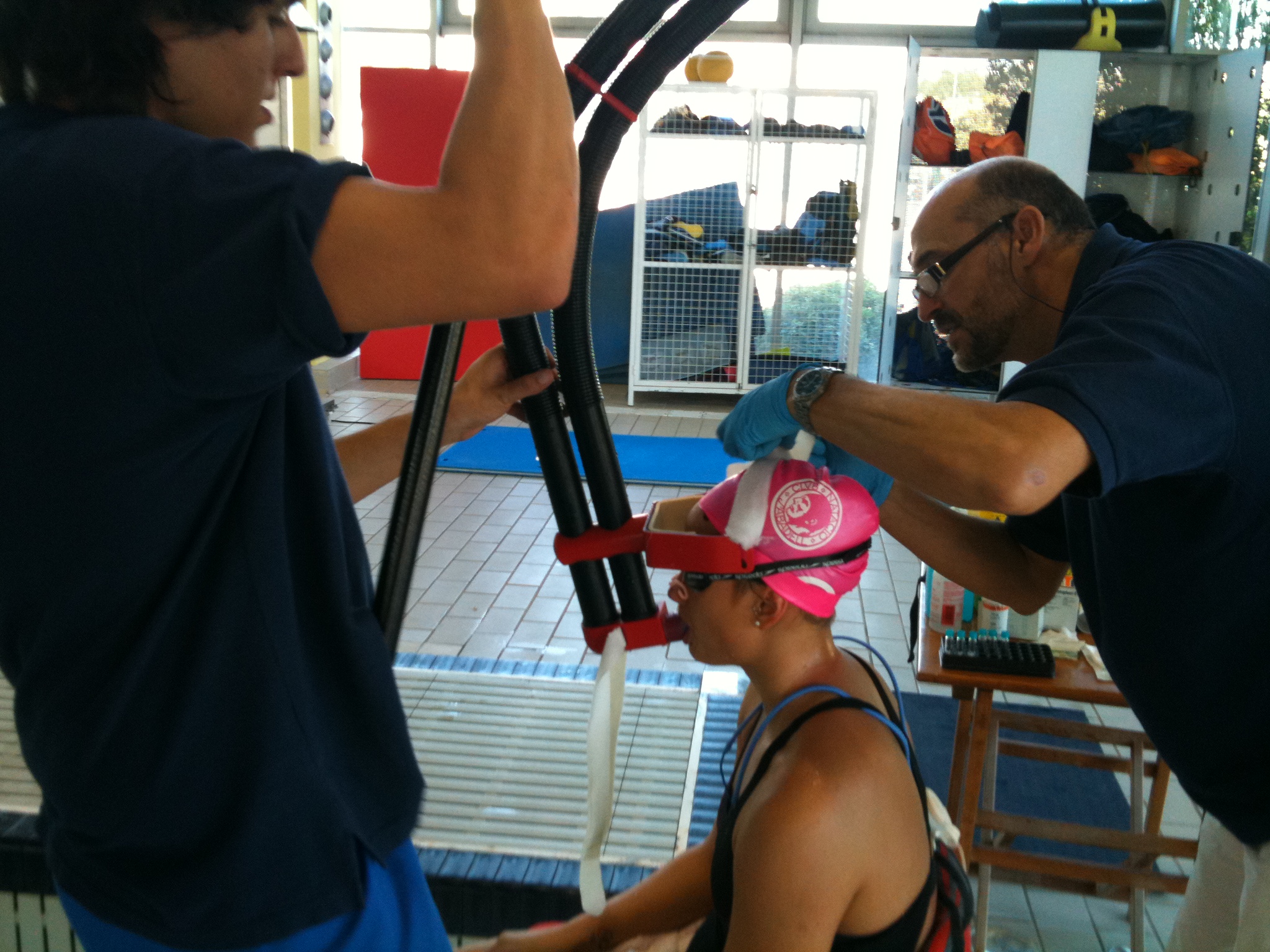
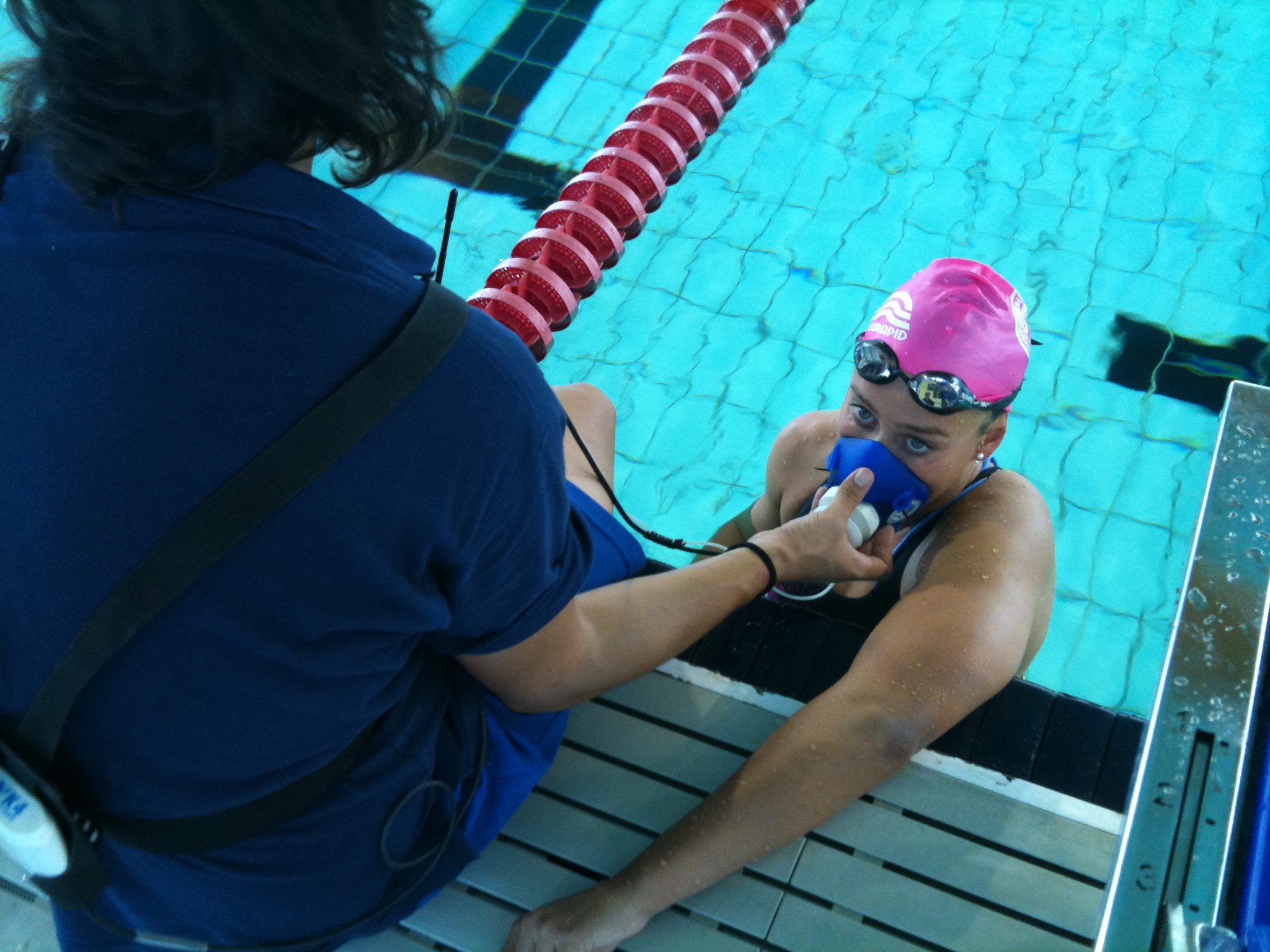
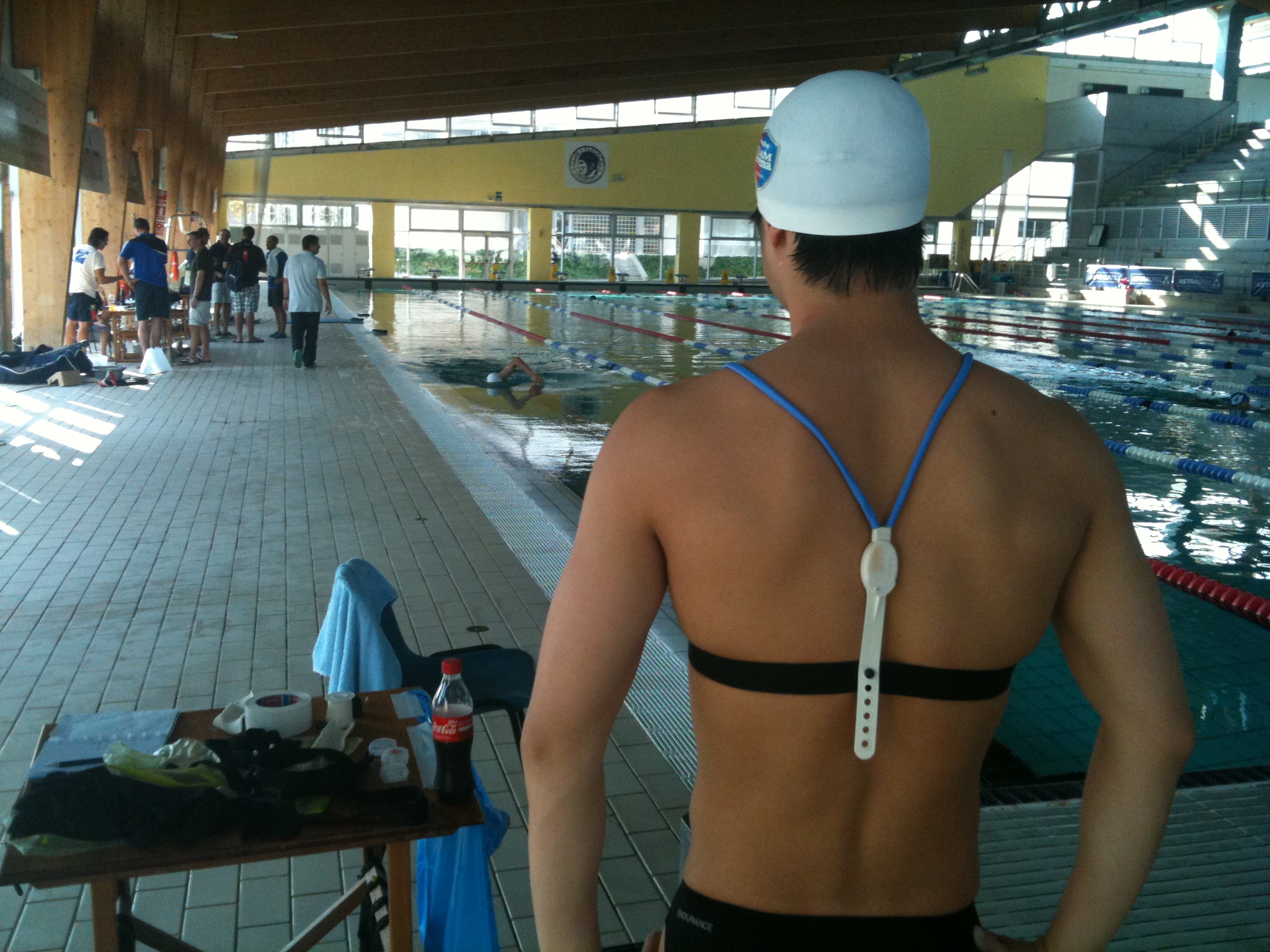
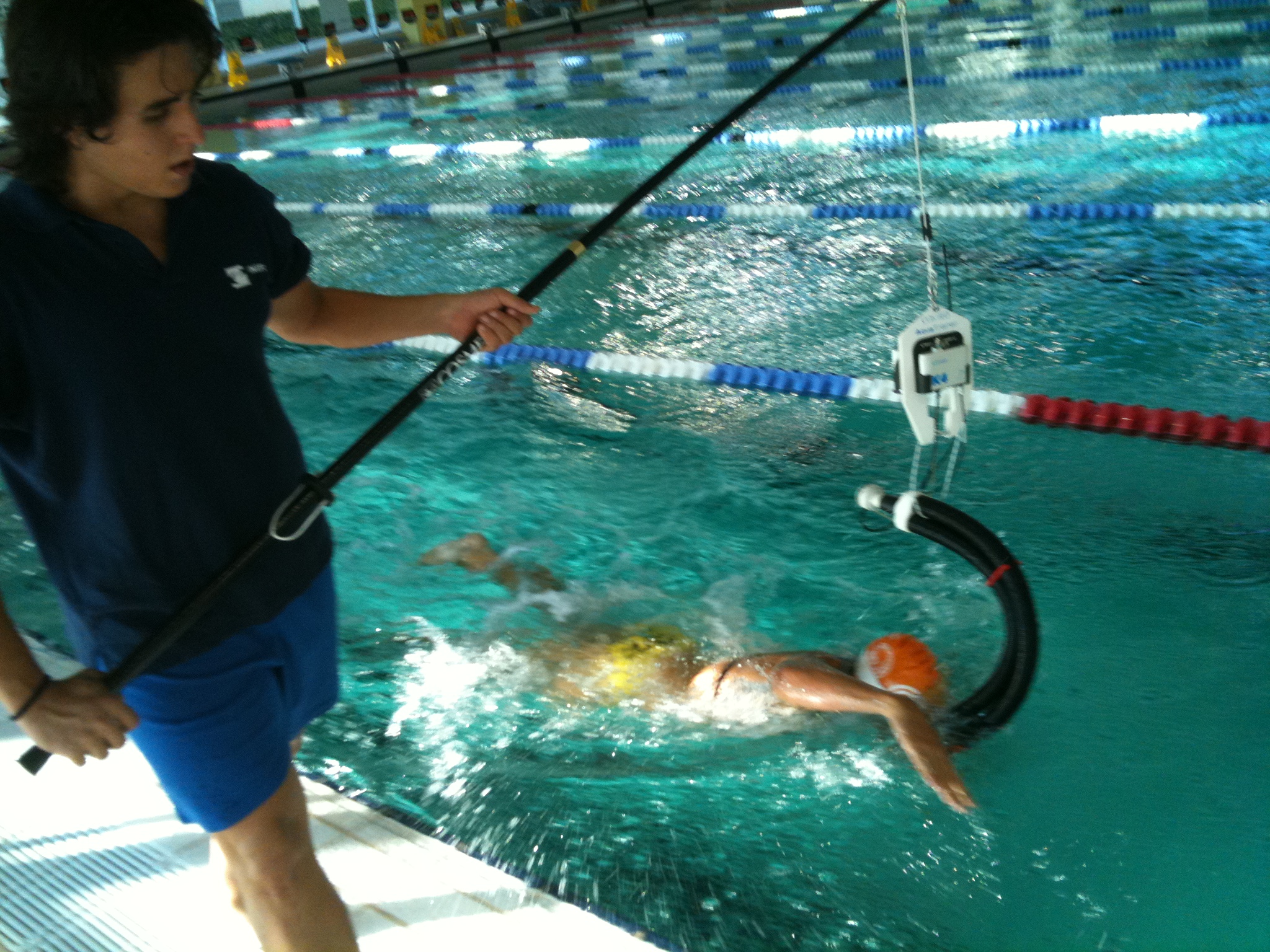
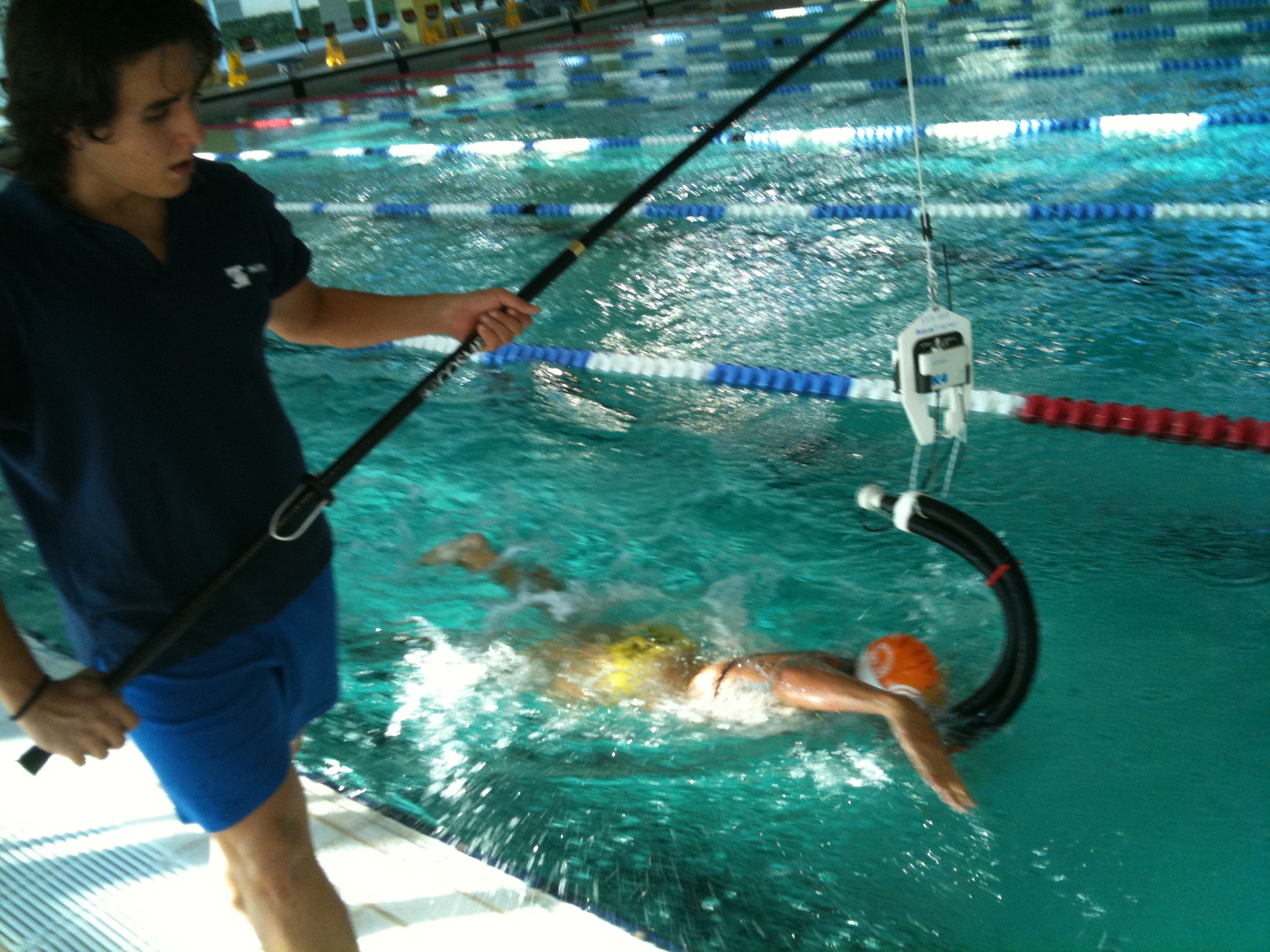
The main objective of the project was to determine the effectiveness of altitude training for swimmers, comparing the Hi-Hi (living and training at moderate altitude) and Hi-Lo (living at moderate-high altitude but training at lower altitude) strategies with an excellent sea-level training camp. The aim was to reveal the physiological mechanisms involved in altitude training, including acclimatisation, training adaptations and how these could interact.
The project involved 61 elite swimmers (34 women and 27 men) and their coaches from various countries. Participants came from 8 countries: Australia, Brazil, China, Great Britain, the Netherlands, Slovenia, Spain and Tunisia. The study was carried out in different training centres:
- Sierra Nevada Altitude Training Centre, Spain (2,320 m): where the altitude-training groups (Hi-Hi, Hi-Hi3) lived and trained for 4 or 3 weeks respectively.
- Sabadell, Barcelona, Spain (190 m): where the initial assessments were carried out and where part of the Lo-Lo group trained.
- High Performance Centre (CAR), Madrid, Spain (655 m): where part of the Lo-Lo group trained.
- The Hi-Lo group also lived in Sierra Nevada but came down for some sessions to train in Granada, Spain (690 m).
The ALTITUDE project was scheduled between 1 October and 23 November 2011, with a total duration of approximately 30 days. The dates were selected with the 2012 season in mind, oriented towards qualification and preparation for the London 2012 Olympic Games, during a preparatory period free of international competitions.
Professor Dr. Ferran A. Rodríguez was the principal investigator of the project, which had the collaboration of an internationally recognised scientific and medical team to design, monitor and evaluate a highly relevant scientific study while implementing a performance-oriented training plan agreed with the individual or national-team coaches.
The project received funding from the Ministry of Science and Innovation of the Government of Spain, reference PID2019-107409GB-I00.
The Altitude project has generated scientific output through various articles, congress presentations and the doctoral thesis of Dr. Diego Chaverri, but what undoubtedly stands out is the impact it has had on the knowledge of the technical teams preparing swimming athletes.
publications
León-López, J., Calderón-Soto, C., Pérez-Sánchez, M., Feriche, B., Iglesias, X., Chaverri, D., & Rodríguez, F. A. (2018). Oxidative stress in elite athletes training at moderate altitude and at sea level. European Journal of Sport Science, 18(6), 832–841. https://doi.org/10.1080/17461391.2018.1453550
Chaverri, D., Iglesias, X., Schuller, T., Hoffmann, U., & Rodríguez, F. A. (2018). Estimating oxygen uptake based on postexercise measurements in swimming. En The Science of Swimming and Aquatic Activities (pp. 133-142). Nova Science Publishers, Inc. Disponible en https://novapublishers.com/shop/the-science-of-swimming-and-aquatic-activities
Sousa, A., Borrani, F., Rodríguez, F. A., & Millet, G. P. (2017). Oxygen uptake kinetics is slower in swimming than arm cranking and cycling during heavy intensity. Frontiers in Physiology, 8, 639. https://doi.org/10.3389/fphys.2017.00639
Rodríguez, F. A., Chaverri, D., Iglesias, X., Schuller, T., & Hoffmann, U. (2017). Validity of postexercise measurements to estimate peak VO2 in 200-m and 400-m maximal swims. International Journal of Sports Medicine, 38(6), 426-438. https://doi.org/10.1055/s-0042-123707
Chaverri, D., Iglesias, X., & Rodríguez, F. A. (2017). Mediciones post-ejercicio para estimar el consumo de oxígeno pico en pruebas de 200 y 400m de natación. Revista Andaluza de Medicina del Deporte, 10(4), 205. ISSN 1888-7546 https://dx.doi.org/10.1016/j.ramd.2016.11.012
Rodríguez, F. A., Iglesias, X., Feriche, B., Calderón, C., Chaverri, D., Wachsmuth, N. B., Schmidt, W., & Levine, B. D. (2016). Altitude training and performance in elite swimmers: Results from an international collaborative study (The Altitude Project). En Swimming Science II (pp. 66-75). Universidad de Granada. Disponible en http://hdl.handle.net/10481/44792
Chaverri, D., Schuller, T., Iglesias, X., Hoffmann, U., & Rodríguez, F. A. (2016). A new model for estimating peak oxygen uptake based on postexercise measurements in swimming. International Journal of Sports Physiology and Performance, 11(4), 419-424. https://doi.org/10.1123/ijspp.2015-0227
Chaverri, D., Iglesias, X., Schuller, T., Hoffmann, U., & Rodríguez, F. A. (2016). Estimating peak oxygen uptake based on postexercise measurements in swimming. Applied Physiology, Nutrition, and Metabolism, 41(6), 1-8. https://doi.org/10.1139/apnm-2015-0524
Rodríguez, F. A., Iglesias, X., Feriche, B., Calderón-Soto, C., Chaverri, D., Wachsmuth, N. B., Schmidt, W., & Levine, B. D. (2015). Altitude training in elite swimmers for sea level performance (Altitude Project). Medicine & Science in Sports & Exercise, 47(9), 1965-1978. https://doi.org/10.1249/mss.0000000000000626
Chaverri, D., Schuller, T., Iglesias, X., Hoffmann, U., & Rodríguez, F. A. (2015). A new model for estimating peak VO2 based on post-exercise measurements in swimming. International Journal of Sports Physiology and Performance, 11(1), 80-86. https://doi.org/10.1123/ijspp.2015-0227
Wachsmuth, N. B., Kley, M., Feriche, B., Calderón, C., Iglesias, X., Rodríguez, F. A., & Schmidt, W. F. (2014). Influencing factors on the erythropoietic response during altitude training (Altitude Project). Medicine & Science in Sports & Exercise, 46(5), 428-429. https://doi.org/10.1249/01.mss.0000494462.22687.b1
García-Ramos, A., Feriche, B., Calderón, C., Iglesias, X., Barrero, A., Chaverri, D., & Rodríguez, F. A. (2014). Training load quantification in elite swimmers using a modified version of the training impulse method. European Journal of Sport Science, 15(1), 85-93. https://doi.org/1080/17461391.2014.922621
CONGRESSES
Rodríguez, F. A., Susín, A., Calle, M. L., Chaverri, D., & Iglesias, X. (2017, 5-8 de julio). Mixed linear modelling of training-performance relationship in elite swimmers [Comunicación oral]. 22nd Annual Congress of the European College of Sport Science, Essen, Alemania.